Can Swallowing Baby Toothpaste Harm Babies? India February 2026
One of the most common worries new parents face is what happens when babies swallow toothpaste. During early oral care, babies don’t yet know how to spit, and swallowing toothpaste often feels unavoidable. This naturally leads to concern: can swallowing baby toothpaste harm babies, or is it actually safe?
🚀 Click here For Baby Toothpaste: that is 100% safe yet effective.
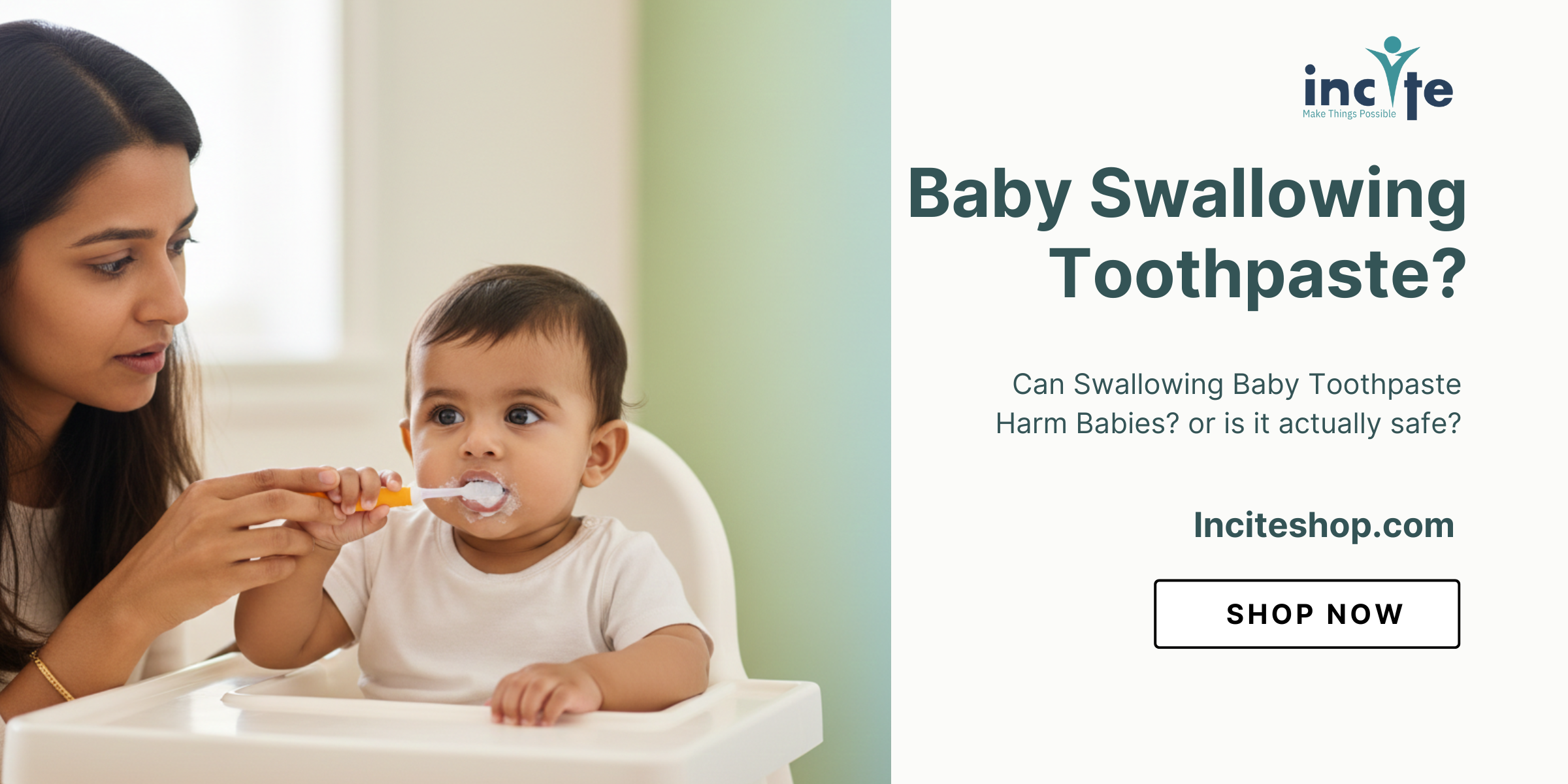
In India, where oral hygiene habits are introduced early and parents are increasingly cautious about ingredients, this question has become even more important. This article explains what really happens when babies swallow toothpaste, how baby toothpaste differs from adult toothpaste, how much is safe, and how parents can make brushing a safe and stress-free routine.
Why Babies Often Swallow Toothpaste | Can Swallowing Baby Toothpaste Harm Babies?
Babies and toddlers are still learning basic oral control. Swallowing toothpaste happens because:
- They have not developed the reflex to spit
- Toothbrushing feels new and unfamiliar
- Toothpaste flavors may encourage swallowing
- Brushing is usually supervised, but reactions are unpredictable
Swallowing small amounts during brushing is extremely common, especially in babies under three years of age.
How Baby Toothpaste Is Different From Adult Toothpaste
This is one of the most important points parents should understand.
Adult Toothpaste
- Designed to be spat out
- May contain stronger cleaning agents
- Not safe if swallowed regularly
Baby Toothpaste
- Designed keeping accidental swallowing in mind
- Uses gentler formulations
- Meant for low-quantity use
- Suitable for babies who cannot spit
This difference is exactly why babies should never be given adult toothpaste, even in tiny amounts.
Is Swallowing Baby Toothpaste Actually Safe? Can Swallowing Baby Toothpaste Harm Babies?
The short and reassuring answer is: yes, small amounts are generally safe.
Baby toothpaste is formulated to minimize risk if swallowed accidentally during brushing. Most babies will swallow toothpaste at some point, and when the toothpaste is designed specifically for babies, this usually does not cause harm.
However, safety depends on:
- The type of toothpaste used
- The quantity swallowed
- How often large amounts are ingested
Swallowing tiny amounts occasionally is considered normal and expected.
What Happens If Babies Swallow Toothpaste?
In most cases: Can Swallowing Baby Toothpaste Harm Babies?
- Nothing serious happens
- The toothpaste passes through the digestive system
- There are no long-term effects
In rare situations, swallowing large amounts repeatedly may lead to:
- Mild stomach discomfort
- Nausea
- Digestive upset
These situations are uncommon and usually linked to improper toothpaste use or excessive quantities.
When Swallowing Toothpaste Can Be Harmful
While baby toothpaste is generally safe, problems may arise if:
- Adult toothpaste is used
- Too much toothpaste is applied
- Brushing is unsupervised
- Toothpaste is swallowed multiple times daily in large amounts
This is why parents should focus not only on toothpaste choice, but also on correct brushing technique and quantity.
Fluoride vs Fluoride-Free Baby Toothpaste
One of the most discussed topics in baby oral care is fluoride.
Why Fluoride Is a Concern for Babies | Can Swallowing Baby Toothpaste Harm Babies?
- Babies are more likely to swallow toothpaste
- Excess fluoride intake may not be ideal at a very young age
- Parents often prefer safer alternatives during early years
This is why many parents in India choose fluoride-free baby toothpaste, especially for babies and toddlers who cannot spit.
How Much Baby Toothpaste Is Safe? Can Swallowing Baby Toothpaste Harm Babies?
Quantity matters more than most parents realize.
Recommended Amount:
- A rice-grain sized smear for babies
- Just enough to lightly coat the brush bristles
Using more than this increases the amount swallowed unnecessarily.
Safe Toothbrushing Tips for Babies
To make brushing safe and stress-free:
- Always supervise brushing
- Use the correct toothpaste amount
- Brush gently with a soft baby toothbrush
- Avoid letting babies suck toothpaste from the tube
- Make brushing calm and unhurried
These habits greatly reduce any risk associated with swallowing toothpaste.
How Indian Parents Can Introduce Oral Care Safely | Can Swallowing Baby Toothpaste Harm Babies?
In Indian households, oral hygiene often starts early due to cultural emphasis on cleanliness. While this is positive, it’s important to introduce toothpaste at the right stage and in the right way.
Parents should:
- Start with gentle brushing once teeth erupt
- Focus on habit-building, not perfection
- Avoid panic if toothpaste is swallowed
Calm consistency is far more important than strict control.
How to Choose a Safe Baby Toothpaste
When selecting baby toothpaste, parents should look for:
✔ Designed specifically for babies and toddlers
✔ Gentle formulation
✔ Suitable for babies who cannot spit
✔ Safe for accidental swallowing
✔ Clear age guidance
Choosing the right toothpaste removes most safety concerns before they even arise.
Why SNOVITE | TOOTH PASTE Is a Thoughtful Choice for Babies
For parents looking for a baby toothpaste designed with swallowing safety in mind, SNOVITE | TOOTH PASTE is made for babies and young children during their early oral care journey.
👉 Product link:
https://inciteshop.com/product/snovite-tooth-paste-no-fluoride-12m-6y/
🌱 Why Parents Choose SNOVITE | TOOTH PASTE
- Fluoride-Free Formula: Ideal for babies who are likely to swallow toothpaste
- Age-Appropriate Design: Suitable for young children learning to brush
- Gentle on Baby Gums: Supports early oral care without harshness
- Swallow-Safe Approach: Formulated keeping accidental ingestion in mind
SNOVITE | TOOTH PASTE helps parents focus on building healthy brushing habits without constant worry.
Doctor-Guided General Advice on Baby Toothpaste
While individual needs vary, general guidance includes:
- Start brushing when the first tooth appears
- Use a minimal toothpaste amount
- Supervise brushing until the child can spit
- Avoid adult oral care products
These steps help ensure oral hygiene without unnecessary risk.
Common Myths About Babies Swallowing Toothpaste | Can Swallowing Baby Toothpaste Harm Babies?
❌ Myth: Any toothpaste swallowed is dangerous
✔ Reality: Baby toothpaste is designed for accidental swallowing
❌ Myth: Babies must learn to spit immediately
✔ Reality: Spitting develops later; swallowing small amounts is normal
❌ Myth: More toothpaste cleans better
✔ Reality: Correct quantity matters more than foam
Understanding these facts reduces unnecessary anxiety.
The Role of Taste and Texture in Baby Toothpaste Swallowing
Babies are naturally curious, and the taste and texture of toothpaste can influence whether they swallow it or not. Toothpaste that is too sweet or unfamiliar may encourage babies to suck or swallow rather than spit. A mild, baby-appropriate formulation helps reduce this tendency and supports safer brushing habits during early oral care stages.
Why Early Toothbrushing Habits Matter More Than Perfection
In the early months, the goal of brushing is not perfect cleaning but habit formation. Parents should focus on making brushing a calm, positive experience rather than worrying excessively about swallowing. Gentle routines help babies become comfortable with oral care, making it easier to transition to proper spitting as they grow older.
How Supervised Brushing Reduces Swallowing Risks | Can Swallowing Baby Toothpaste Harm Babies?
Close supervision during brushing significantly lowers the chances of excessive toothpaste ingestion. When parents control the amount of toothpaste and guide brushing, babies are less likely to swallow large quantities. Supervision also allows parents to gently encourage rinsing or wiping the mouth, even before spitting skills develop.
Read a similar article on “Swallowing Baby Toothpaste During Early Oral Care: Safety Considerations for Parents in India”
Understanding Digestive Tolerance in Babies
Babies’ digestive systems are generally capable of handling very small amounts of baby toothpaste without issue. Occasional ingestion typically passes through the system without causing harm. Problems usually arise only with repeated swallowing of large amounts, which highlights the importance of correct toothpaste quantity and age-appropriate use.
Daily Baby Soap Use: Safe or Unsafe? India February 2026
Bathing a baby is one of the most important daily care routines for parents. For many Indian families, baby bathing with soap becomes a daily habit from the early months. But a common and valid concern remains: Is daily baby soap use safe, or can it harm delicate baby skin? With changing lifestyles, weather conditions, and hygiene concerns, parents want clear, reliable answers. Read more…
Final Verdict: Can Swallowing Baby Toothpaste Harm Babies?
Swallowing small amounts of baby toothpaste is generally safe and expected. Can Swallowing Baby Toothpaste Harm Babies?
The real risks come from:
- Using adult toothpaste
- Applying excessive amounts
- Allowing unsupervised brushing
By choosing a baby-specific option like SNOVITE | TOOTH PASTE, using the right quantity, and supervising brushing, parents can protect both oral health and overall safety.
Instead of fear, early oral care should focus on gentle habits, safe products, and consistency.
Frequently Asked Questions (FAQ)
Is baby toothpaste safe if swallowed?
Yes, baby toothpaste is formulated to be safe if small amounts are swallowed.
How much toothpaste can babies swallow safely?
A rice-grain sized amount minimizes ingestion and is recommended.
Should baby toothpaste be fluoride-free?
Many parents prefer fluoride-free options for babies who cannot spit.
What if my baby swallows toothpaste every day?
Small daily amounts are usually safe when baby-specific toothpaste is used.