
How Do Vegetarian Kids Get Protein? India December 2025
For parents raising children in India on a vegetarian diet, the question of whether their child is receiving sufficient protein is a persistent concern. The misconception that plant-based diets inherently lack protein is widespread.
🚀 Click here For Protein for Babies: that is 100% safe yet effective.
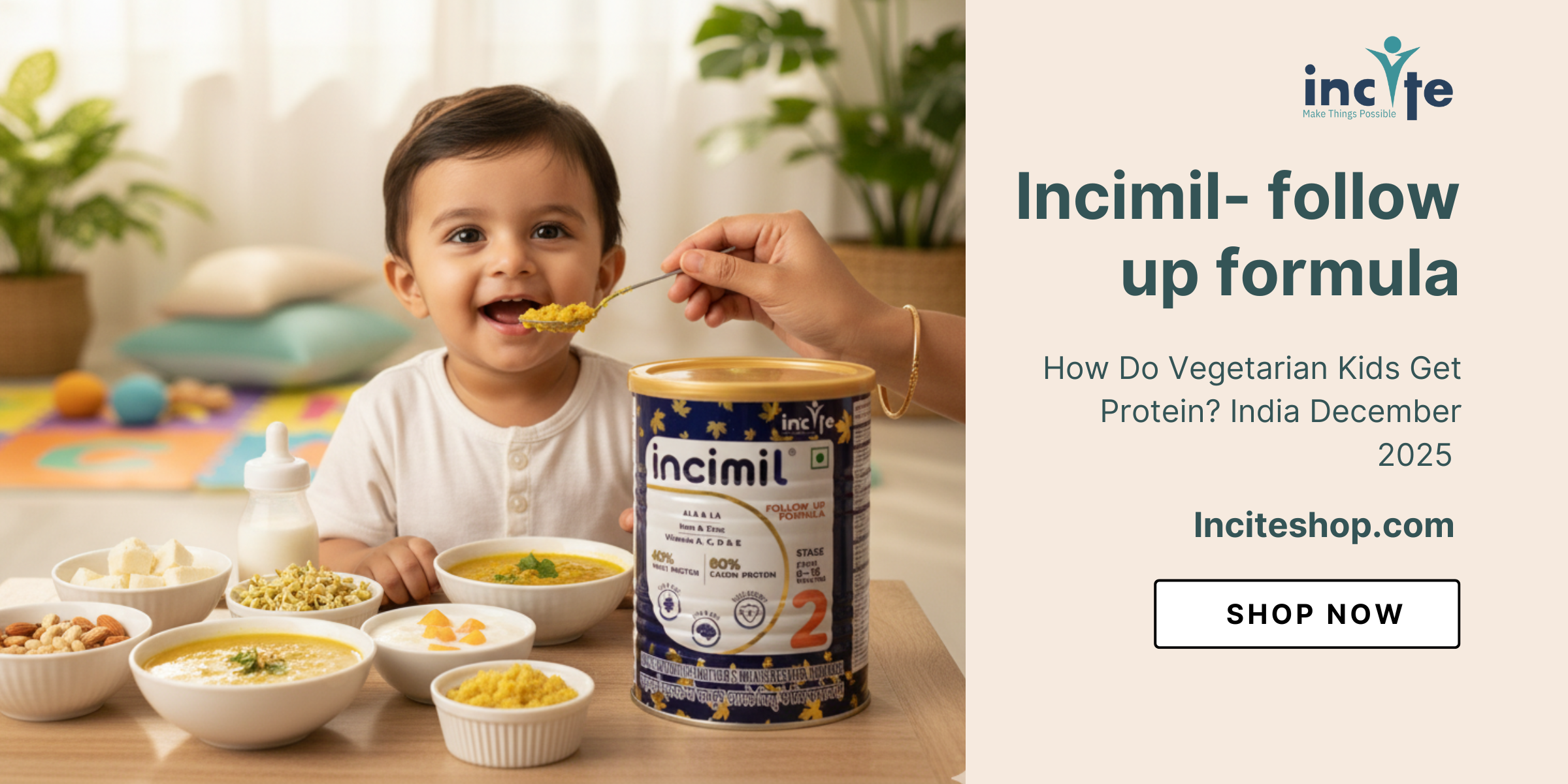
The truth, backed by decades of pediatric research, is that a well-planned Indian vegetarian diet easily meets and often exceeds the protein requirements for growing children, provided one key principle is understood: The Complementary Protein Method.
As we approach December 2025, nutritional guidance from the Indian Academy of Pediatrics (IAP) stresses that smart food pairing is the most effective and safest way for vegetarian children to thrive.
1. Immediate Reassurance & The Key Strategy | How Do Vegetarian Kids Get Protein?
Vegetarian kids get all the protein they need by following the Complementary Protein strategy—combining two “incomplete” sources in one meal to create a nutritionally “complete” protein.
The Core Concept: Creating Complete Protein from Plant Sources
Protein is made up of 20 amino acids, 9 of which are essential (the body cannot make them). Plant foods are often called “incomplete” because they are low in one or two essential amino acids (e.g., pulses lack methionine, and grains lack lysine).
By combining them in the same meal, you fill the gaps:
| Source 1 (The Lysine Source) | Source 2 (The Methionine Source) | Resulting Complete Protein |
| Pulses/Legumes (Dal, Rajma, Chana) | Cereals/Grains (Rice, Roti, Wheat) | The Indian Thali (Dal-Roti/Rajma Chawal) |
| Tofu/Soy (The Exception) | Nuts/Seeds | High-quality complete protein |
| Grains/Seeds (Oats, Sesame) | Dairy (Milk, Yogurt) | High-quality complete protein |
This traditional method of eating, integral to the Indian diet for centuries, is the most successful way for vegetarian children to maximize protein absorption.
2. Foundational Sources: The Pillars of Vegetarian Protein in India
To ensure adequate intake, parents should prioritize foods from these three protein categories: How Do Vegetarian Kids Get Protein?
A. Dairy: The Highly Bioavailable Source
Dairy products are considered the single most valuable source of protein in a vegetarian child’s diet because they are naturally complete and highly bioavailable (easily absorbed).
- Milk (Fluid): Provides whey and casein protein, calcium, and vitamin B12. Essential for children over 1 year of age.
- Paneer (Cottage Cheese): Offers highly concentrated casein protein, fat, and calcium. It is versatile for snacks and meals.
- Yogurt (Dahi): The fermentation process makes the protein easier to digest and provides beneficial probiotics for gut health.
B. Pulses and Legumes: The Protein Giants | How Do Vegetarian Kids Get Protein?
These are the primary plant-based protein sources and the most important component for pairing with grains.
- Moong Dal, Masoor, Toor: Easily digestible dals, used daily.
- Rajma (Kidney Beans) and Chana (Chickpeas): Excellent sources of protein, fiber, and iron.
- Soya Chunks/Tofu: The highest plant source of complete protein. Soya chunks are an inexpensive, versatile way to boost protein in curries and bhurji.
C. Grains and Millets: Essential Base Proteins
Grains serve as the essential base for complementing pulses and providing complex carbohydrates for energy.
- Wheat (Roti/Atta): The daily companion to dal.
- Ragi (Finger Millet): High protein content for a grain, plus being one of the best plant-based sources of calcium.
- Oats and Quinoa: Excellent for breakfast and snacks, providing a wider range of amino acids than rice or wheat.
3. Practical Protein: Easy Indian Meal Combinations for Kids | How Do Vegetarian Kids Get Protein?
The focus is on how to integrate the “Complementary Protein” strategy into daily Indian meals and snacks:
| Meal Time | Food Combination | Protein Source Breakdown |
| Breakfast | Ragi Porridge with Curd | Cereal (Ragi) + Dairy (Curd) = Complete Protein |
| Mid-Morning Snack | Sprouted Moong Chaat | Pulse (Mung) + Vegetables/Lemon = High Protein, Vitamin C, Iron |
| Lunch | Rajma Chawal (or Dal Chawal) | Legume (Rajma/Dal) + Cereal (Rice) = Complete Protein |
| Evening Snack | Besan Cheela (Gram Flour Pancake) | Pulse (Besan) + Dairy (Paneer filling) = Double Protein |
| Dinner | Tofu/Paneer Bhurji with Roti | Dairy/Soy (Paneer/Tofu) + Cereal (Roti) = Complete Protein |
4. When Supplemental Nutrition is Considered
While whole foods should meet most needs, there are specific instances where supplemental nutritional support may be required, particularly in the toddler phase or when dealing with highly restrictive eating patterns. How Do Vegetarian Kids Get Protein?
- Picky Eaters: Children who refuse high-protein staples (like dal, yogurt, or paneer) may be at risk of inadequate intake.
- Nutrient Gaps (Toddlers 1-3 Years): Children transitioning off breast milk or formula sometimes struggle to meet their nutritional requirements through solids alone.
- Diagnosed Malnutrition: In cases of medically confirmed growth failure or protein-energy malnutrition.
In these specific scenarios, a pediatrician may recommend specialized milk drinks or nutritional products designed to fill those gaps. A product intended to support this developmental stage, such as [Our website’s specialized Stage 2 formula] (found here: https://inciteshop.com/product/incimil-stage-2/), offers balanced protein, fat, and micronutrients appropriate for toddlers, ensuring growth goals are met when whole food intake is inconsistent. These should only be used under expert pediatric guidance.
5. Safety and Pitfalls: What to Avoid or Limit | How Do Vegetarian Kids Get Protein?
To maximize protein utilization, vegetarian parents must be mindful of common pitfalls:
- Excessive Fiber: A high-fiber diet, while generally healthy, can be too filling for young children, displacing high-calorie, high-protein foods and potentially causing nutritional gaps (especially in toddlers). Ensure meals contain balanced amounts of fat and protein.
- The “Raw Sprout” Risk: While sprouted pulses are excellent protein, raw sprouts carry a high risk of bacterial contamination (E. Coli, Salmonella) for children. Always steam or cook sprouts thoroughly before serving to young children.
- Nut Choking Hazard: While nuts are a great source of protein and fat, whole nuts and large, chunky pieces of nuts/seeds must be avoided for children under 4 due to the severe choking risk. Use finely ground powder, thin nut butter, or paste instead.
6. Addressing Common Protein Challenges for Vegetarian Kids
- Iron and B12: Vegetarian diets must be carefully monitored for Vitamin B12 and Iron. Pair plant-based iron sources (like spinach, legumes, and ragi) with Vitamin C (lemon juice, tomato, amla) to boost absorption. B12 supplementation may be necessary as it is mainly found in animal products (including dairy, which is generally sufficient, but a doctor should confirm).
- Portion Sizes: Focus on nutrient density. A small bowl of Khichdi with paneer, for example, is far more protein-dense than a large serving of just rice.
Read a similar article on “How Vegetarian Kids Meet Their Nutrition Needs (India 2025)”
Frequently Asked Questions (FAQs)
Q1. Is Paneer a sufficient daily protein source for my vegetarian toddler?
A. Paneer is an excellent complete protein source, but relying on any single food is not recommended. It should be part of a rotational diet that includes pulses (dal), legumes (rajma/chana), milk, and yogurt to ensure a full spectrum of amino acids and micronutrients.
Q2. Do vegetarian kids need protein powder supplements?
A. No. A well-planned Indian vegetarian diet, using the Complementary Protein Method (cereals + pulses), meets the needs of most children. Unprescribed protein powders pose a risk to the kidneys. Supplements are only considered if a child has diagnosed malnutrition or severe dietary restrictions, and must be doctor-prescribed.
Q3. How can I get my picky toddler to eat dal?
A. Try “hiding” it. Blend cooked dal into roti dough, thicken it into a dip served with vegetable sticks, or mix it thoroughly into mashed potatoes or besan cheela batter. Focus on making it palatable, not just visible.
Q4. Are millets (like Ragi or Bajra) considered a good protein?
A. Yes. Millets have a higher protein content than white rice and are rich in minerals. Ragi, in particular, is an exceptional source of protein and calcium, making it a highly recommended grain in the Indian vegetarian diet.
What is Good Protein for Kids? India December 2025
As children grow from toddlers to school-age, their protein needs change dramatically. Protein is the foundational nutrient for height growth, muscle development, cognitive function, and immune defense. For parents navigating the vast and varied Indian diet, the question isn’t just “Does my child get enough protein?” but “What is good protein?” In the Indian context (December 2025), a “good” protein strategy emphasizes variety, smart combinations, and high bioavailability to ensure optimal growth without relying on expensive, often unnecessary, supplements. Read more…
Conclusion: Strategic Planning
The question of “How do vegetarian kids get protein?” is answered by embracing the wisdom of the traditional Indian diet. By consciously using the Complementary Protein Method—pairing pulses with grains, and utilizing the highly bioavailable proteins found in dairy—parents can confidently ensure their children receive complete, high-quality nutrition necessary for growth and lifelong health. Smart planning eliminates the need for unnecessary supplementation.